Harassment Forms
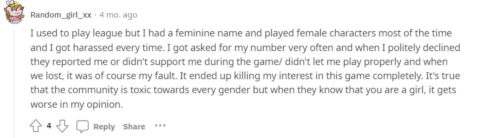
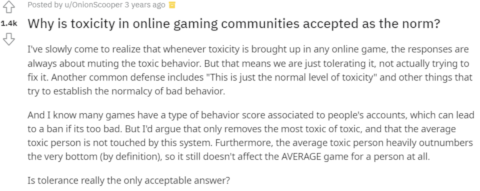
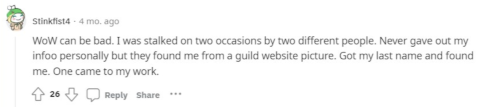
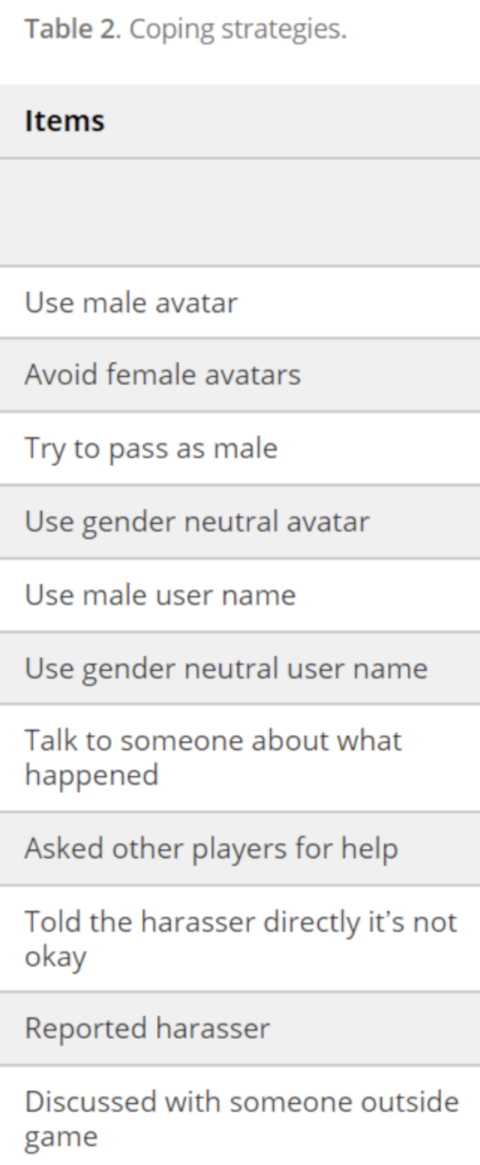
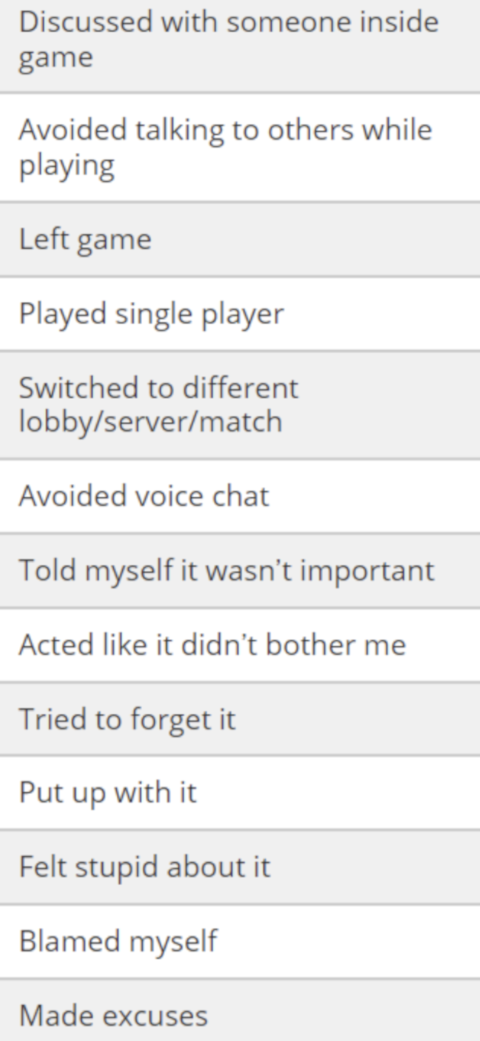
The harassment experienced by female gamers within general online games encompasses a range of distressing behaviors that significantly impact their gaming experience. Verbal abuse is a prevalent form, where nearly all gamers encounter derogatory comments, insults, and offensive language. For women, these attitudes manifest in sexist remarks, demeaning jokes, or even explicit and unwarranted advances; whereas men primarily experience the more typical flaming. The toxic environment most often exists through voice chats or communication channels, where anonymity can encourage individuals to engage in harmful behavior. Sexual harassment is another distressing facet, with countless female gamers reporting instances of unwanted and inappropriate advances, comments, or explicit messages. In a Reddit post, user Random_girl_xx shares her experience in LoL, “I had a feminine name and played female characters most of the time and I got harassed every time…the community is toxic towards every gender but when they know that you are a girl, it gets worse” (Random_girl_xx 2023). She goes on to explain the various advances where male players requested her cell phone number, but every time she politely declined, they ended up reporting her and interfering with her gameplay. Numerous female gamers expressed similar experiences through posts on various social media platforms including Twitter, Instagram, Discord, and YouTube. In contrast, user 4everfalling expresses a different case, “I have quite a feminine name and have played since 2014 and I haven’t been harassed much at all…for being a woman that is” (4everfalling 2023). Due to the prevalence of toxicity in the game itself, harassment is considered a norm for everyday players of LoL, which may prompt the argument that this behavior is not exclusive to gender. However, LoL's competitive game nature amplifies tensions, making female players more susceptible to targeted harassment, particularly if their gamertag or way of chatting indicates femininity, and progressively worsens with any slight mistakes. The commonality of such encounters not only creates discomfort but also fosters an unsafe atmosphere, deterring many women from fully participating in the gaming community.
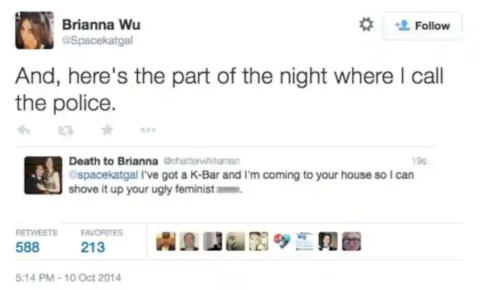
Furthermore, the harassment can escalate to more severe forms, including doxing (revealing one’s private information online with ill intent), stalking, or threats of physical harm. Evident through Gamergate, a highly controversial and inflammatory movement that emerged in 2014, which exposed a darker angle of the gaming community and ignited a firestorm of harassment against female game developers, critics, and those advocating for increased diversity within the industry. The movement, allegedly framed as a call for ethics in gaming journalism, quickly delegated into a breeding ground for misogyny and online abuse. Female figures such as Zoë Quinn (game designer of Depression Quest), Brianna Wu (video game developer), and Anita Sarkeesian (feminist cultural critic) became prime targets of orchestrated harassment campaigns involving doxxing, threats of rape, violence, and death, along with rampant sexism (Lamensch 2023). The severity of mass defamation led to real-life dangers including injury to their loved ones and the necessary move from homes. The repercussions of Gamergate continue to reverberate as female gamers take particular caution with online interaction; the movement’s aggressive and dehumanizing nature highlights the need for comprehensive solutions, not only within individual games but throughout the gaming industry, to foster a safer and more inclusive environment for players of all genders.