Overview



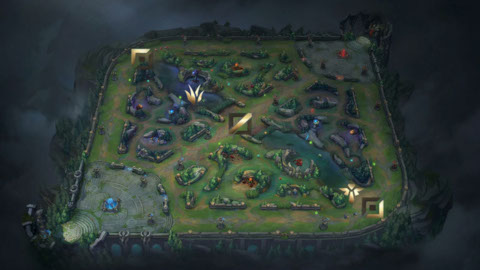
With the rise in its popularity, the online gaming culture undeniably cultivates a sense of global community and connectivity, providing individuals with opportunities to forge friendships, collaborate on strategic endeavors, and engage in diverse cultural exchanges, thus enriching social interactions and broadening perspectives. However, this surge in participation has brought attention to toxic gaming culture, characterized by harassment, hate speech, and cyberbullying. Amid the expansive realm of online gaming, all players are subject to mainstream toxicity, yet female players find themselves as primary targets, frequently facing discrimination and derogatory treatment. With a particular focus on the world-renowned game, League of Legends, this discussion strives to unravel the distinct manifestations of toxic gaming culture, analyze the prevalent forms of harassment and discrimination directed at female gamers, and investigate the underlying factors within the game's design and the gaming industry that contribute to these issues.
As the online gaming community offers a diverse space for entertainment and social interaction, it is crucial to understand the dynamics of toxic gaming culture and its origins. Toxic gaming culture refers to the presence of harmful behaviors within online gaming communities, including but not limited to harassment, hate speech, and cyberbullying. Female gamers, in particular, often find themselves the primary targets of harassment and discrimination, experiencing consequences that extend beyond the boundaries of mere competition or banter, leading to severe mental health issues. This issue is not confined to a single game; rather, it is symptomatic of a broader concern embedded in the dynamics of various online gaming platforms. As the gaming community continues to grow in popularity, understanding the nuanced dynamics of toxic behavior becomes imperative for creating an environment that is both diverse and welcoming, ultimately transforming the landscape of online gaming into a space where everyone can participate without fear of discrimination or harassment.